Heidelberg Historical Society publications
🛒 View cart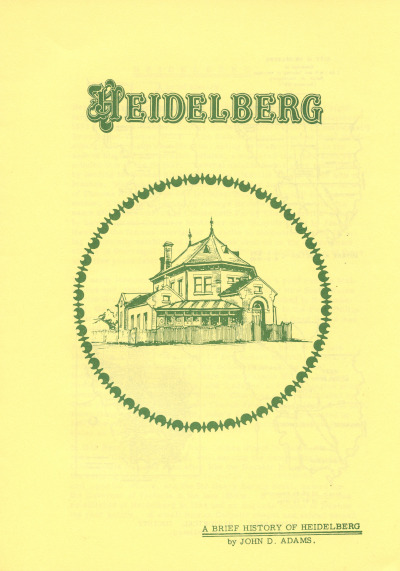
A Brief History of Heidelberg
An overview of Heidelberg's history from 1839 to 1983.
$1.00
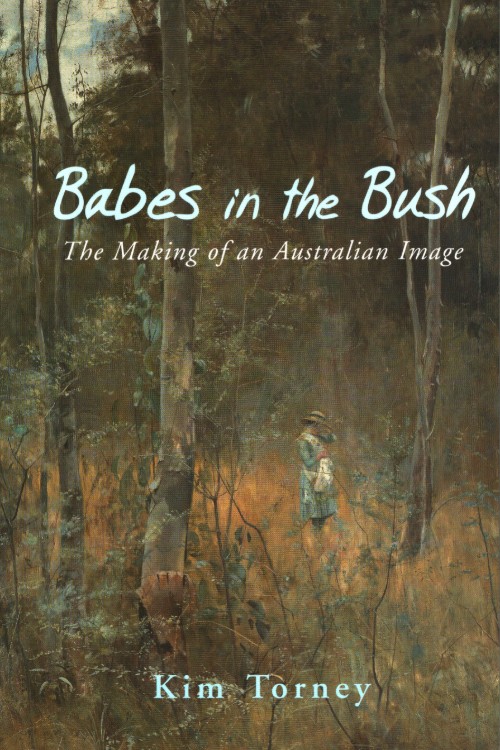
Babes in the Bush
A powerful exploration of the making of a uniquely Australian image — the evocative and enduring image of the child lost in the bush.
Along with drought, fire and flood, the stories of children lost in the Bush became central to the Australian colonial experience (even though there were any number of more likely, and more gruesome ways a child could come to harm). This cultural legacy remains to this day and is one of the few experiences contemporary Australians share with their colonial past.
Babes in the Bush provides intriguing insights into the domestic lives of Australia's settlers and our changing attitudes towards children and childhood, as well as an illuminating examination of the relationship between Europeans and Aborigines and the power of cross-cultural attitudes towards Indigenous peoples in Britain and its colonies.
$15.00
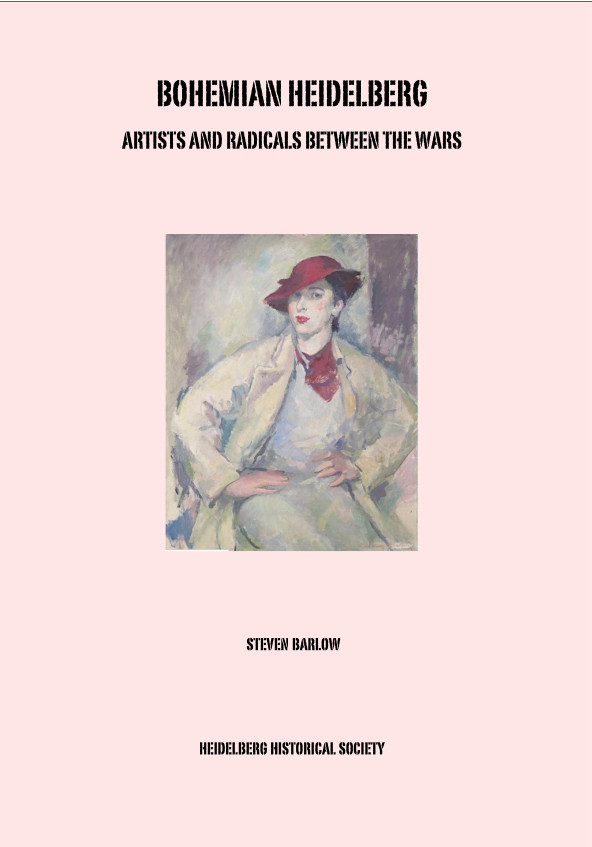
Bohemian Heidelberg
The thick varnish of dull respectability that has been painted over Heidelberg since the 1950s conceals a more lively and raffish underbelly. In the largely forgotten years between the wars, artists and political radicals made their homes in the Shire in several distinct enclaves. This was at a time when the district, which had proven so attractive to artists in the 1880s and 1890s, was attracting middle class suburbanites.
$10.00
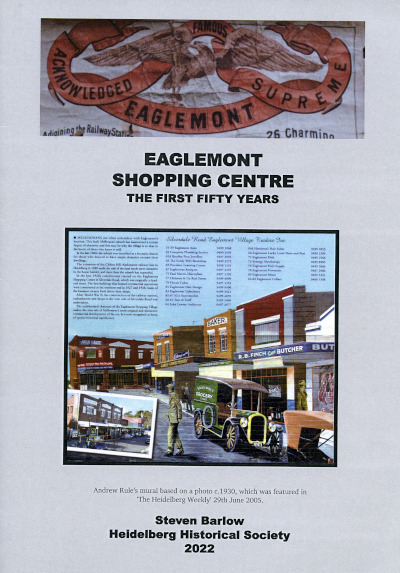
Eaglemont Shopping Centre - The First Fifty Years
The Silverdale Road shopping centre came about with the development of Eaglemont as a residential suburb during the interwar years and, more specifically, with the building of the first Eaglemont station in 1926.
$7.00
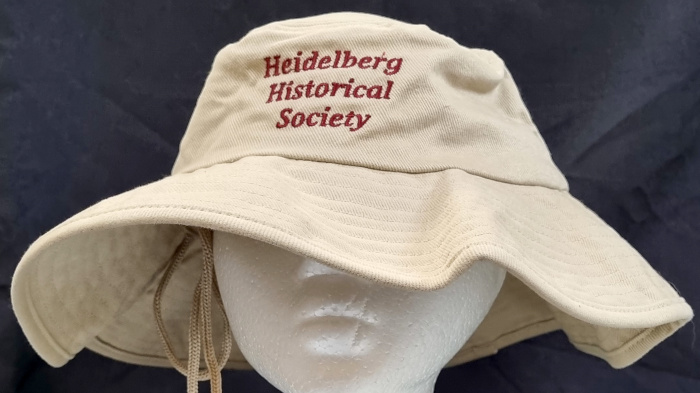
Floppy Society Hat
A wide-brimmed floppy hat with "Heidelberg Historical Society" embroidered on the front.
$5.00
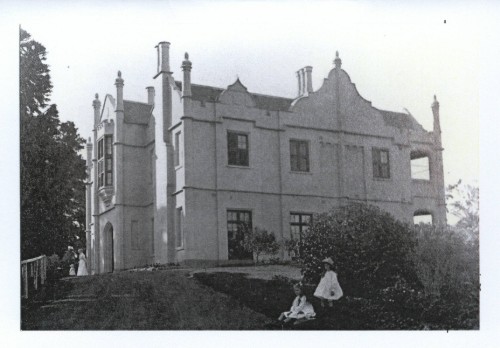
Greeting card — Banyule Homestead — Early 1900s
A greeting card depicting the image shown, with contact information about the Heidelberg Historical Society on the back. The card is roughly A6 size, and comes with an envelope for mailing. The inside of the card is blank.
$3.00
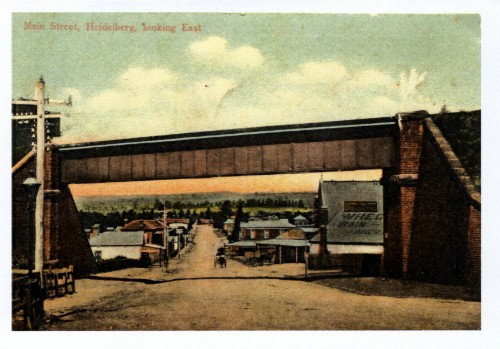
Greeting card — Burgundy Street Heidelberg — Looking East — Early 1900s
A greeting card depicting the image shown, with contact information about the Heidelberg Historical Society on the back. The card is roughly A6 size, and comes with an envelope for mailing. The inside of the card is blank.
$3.00
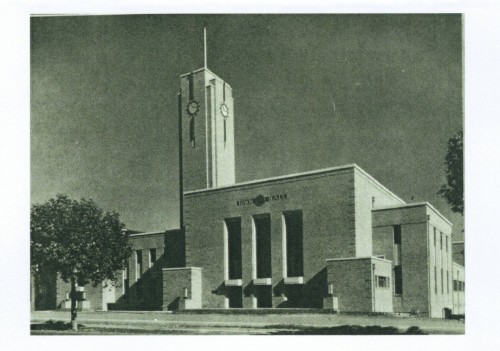
Greeting card — Heidelberg Town Hall — Ivanhoe c1940
A greeting card depicting the image shown, with contact information about the Heidelberg Historical Society on the back. The card is roughly A6 size, and comes with an envelope for mailing. The inside of the card is blank.
$3.00
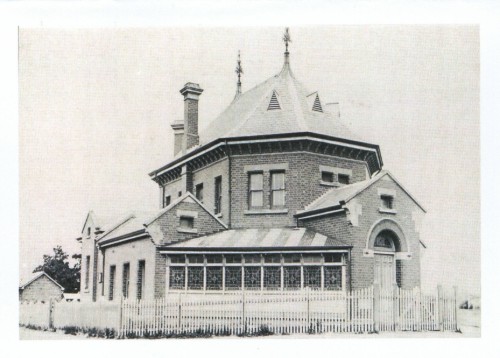
Greeting card — Old Heidelberg Courthouse — c1940
A greeting card depicting the image shown, with contact information about the Heidelberg Historical Society on the back. The card is roughly A6 size, and comes with an envelope for mailing. The inside of the card is blank.
$3.00
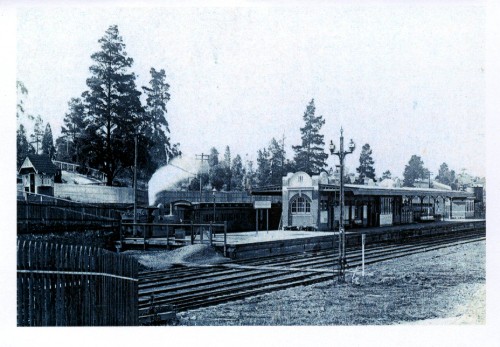
Greeting card — Old Steam Train at Heidelberg Station — c1918
A greeting card depicting the image shown, with contact information about the Heidelberg Historical Society on the back. The card is roughly A6 size, and comes with an envelope for mailing. The inside of the card is blank.
$3.00
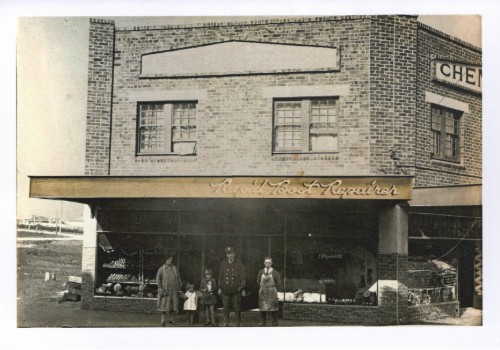
Greeting card — Rapid Boot Repairer — Eaglemont c1930
A greeting card depicting the image shown, with contact information about the Heidelberg Historical Society on the back. The card is roughly A6 size, and comes with an envelope for mailing. The inside of the card is blank.
$3.00
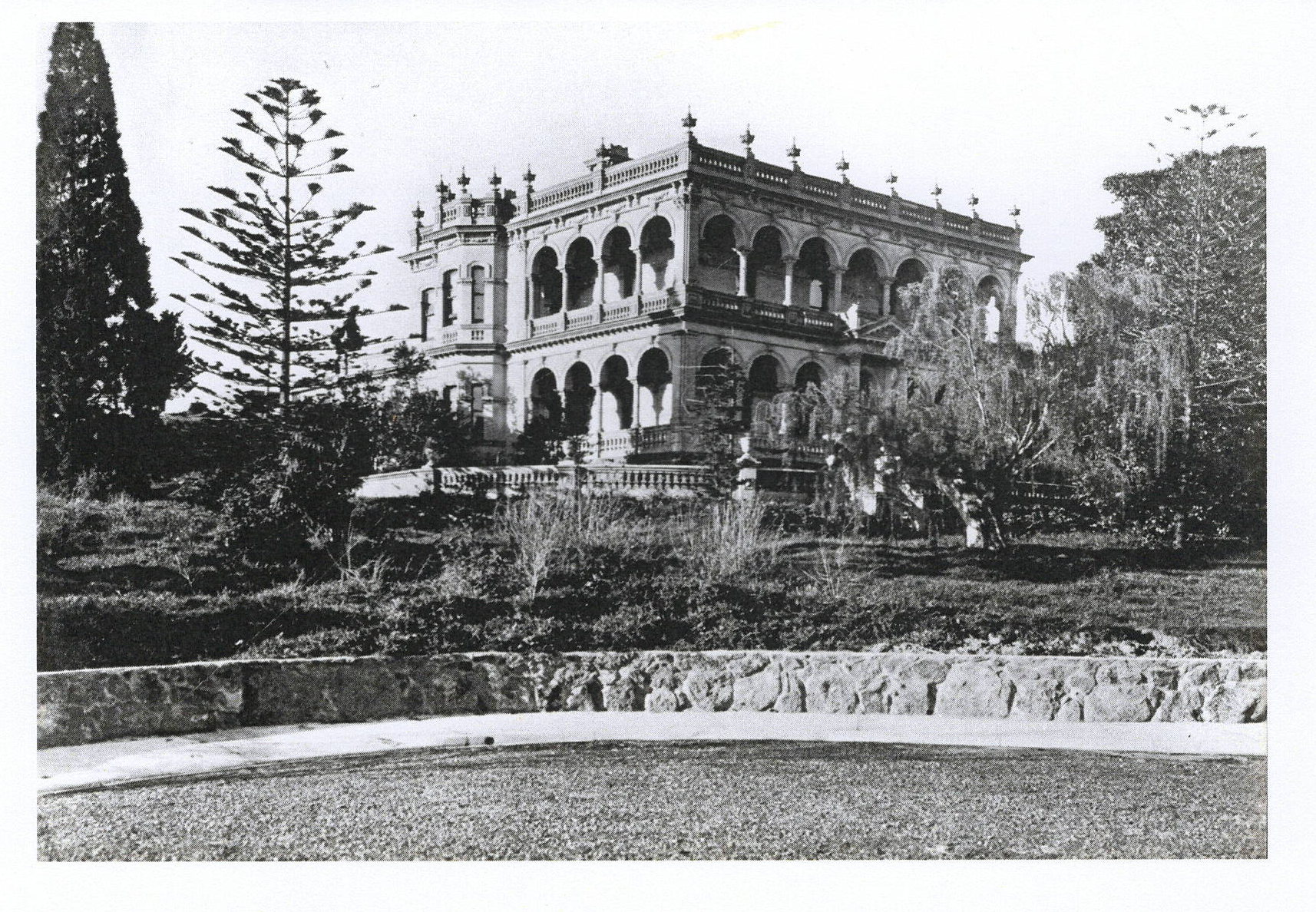
Greeting card — Ravenswood — Ivanhoe
A greeting card depicting the image shown, with contact information about the Heidelberg Historical Society on the back. The card is roughly A6 size, and comes with an envelope for mailing. The inside of the card is blank.
$3.00
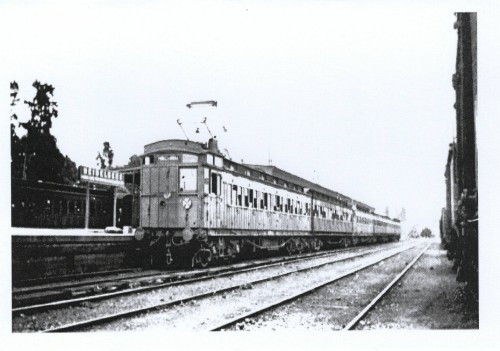
Greeting card — Tait class train (aka “Red Rattler”) — c1940
A greeting card depicting the image shown, with contact information about the Heidelberg Historical Society on the back. The card is roughly A6 size, and comes with an envelope for mailing. The inside of the card is blank.
$3.00
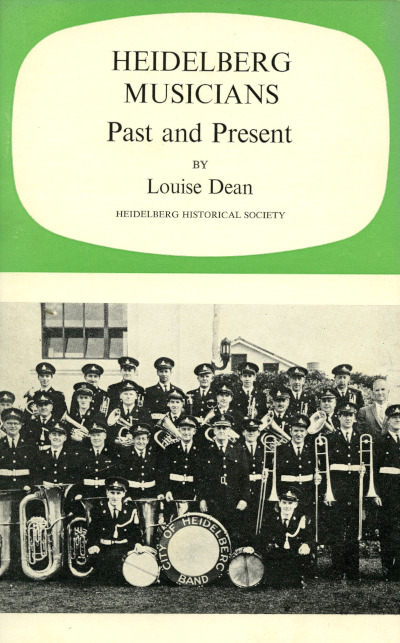
Heidelberg Musicians - Past and Present
An overview of singers, musicians, conductors and musical organisations active in the Heidelberg Area in the 19th and 20th Century.
$0.50
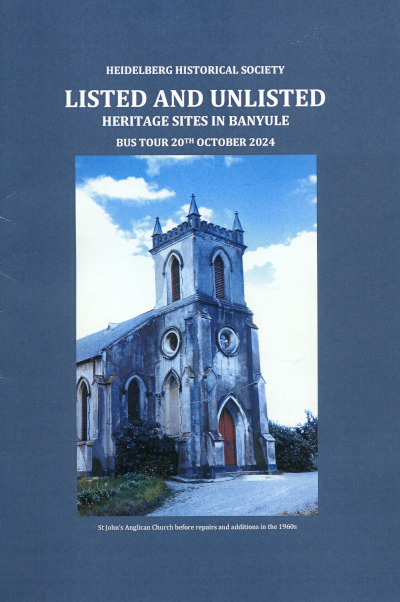
Listed and Unlisted Heritage Sites in Banyule
A description of various listed and unlisted heritage sites in Banyule as presented during the Society's bus tour on 20th October 2024.
$10.00
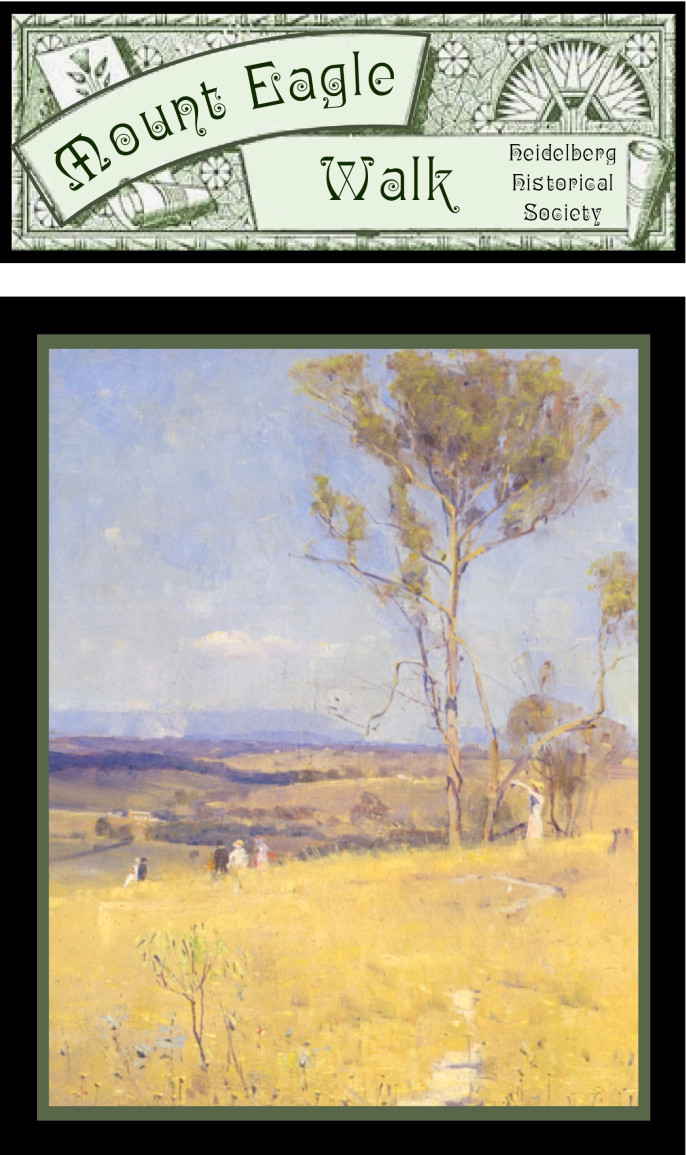
Mount Eagle Walk
The European history of the area begins in the Squatting Era, with the purchase of the Hartlands Estate by the mercurial Sylvester John Brown in 1838. The wealthy Bolden Brothers already held Leighton, which formed the portion of Mount Eagle north of the line of The Eyrie.
David Charteris McArthur (Brown’s banker) owned Charterisville to the south. A relative, Captain George Brunswick Smyth, occupied Chelsworth further south again. Brown owned a trading vessel and a number of other properties in Melbourne and across Victoria but built his comfortable, if crude, red timber house on the site of what is now 543 The Boulevard and entered into the social life of the Heidelberg gentry.
$10.00
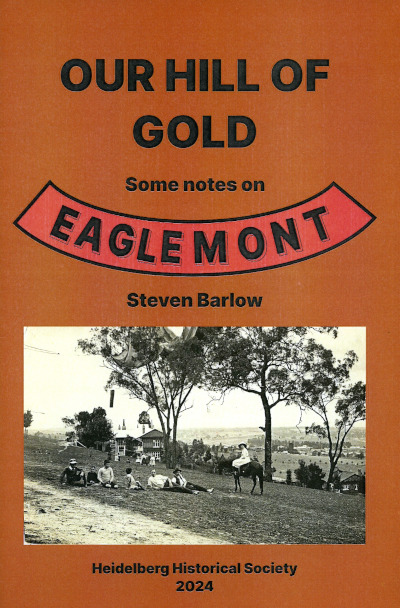
Our Hill of Gold - Some notes on Eaglemont
Eaglemont is a suburb that has been shaped by its geography and established Eaglemonters take their history seriously, as this author has come to find after living here for a mere twenty years.
$15.00
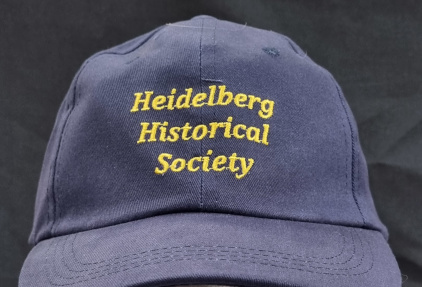
Society Cap
A peaked cap with "Heidelberg Historical Society" embroidered on the front.
$5.00
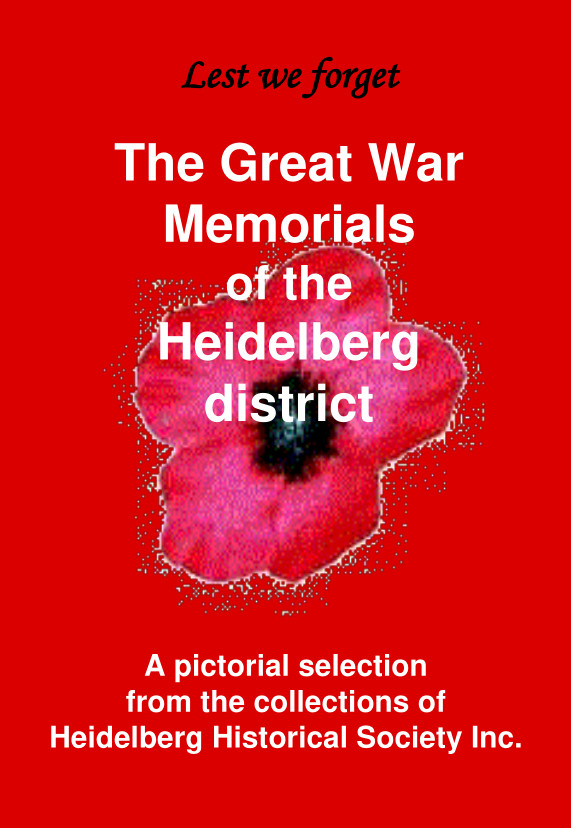
The Great War Memorials of the Heidelberg District
This booklet is the inspiration of a member of the Heidelberg Historical Society and sourced from photographs held in the Society’s collection. It offers a selection of views of memorials erected in the Heidelberg district in the aftermath of The Great War of 1914-18 (World War I), memorials dedicated in remembrance of those who paid the ultimate price in war and, in some cases, of those who also served.
$0.00
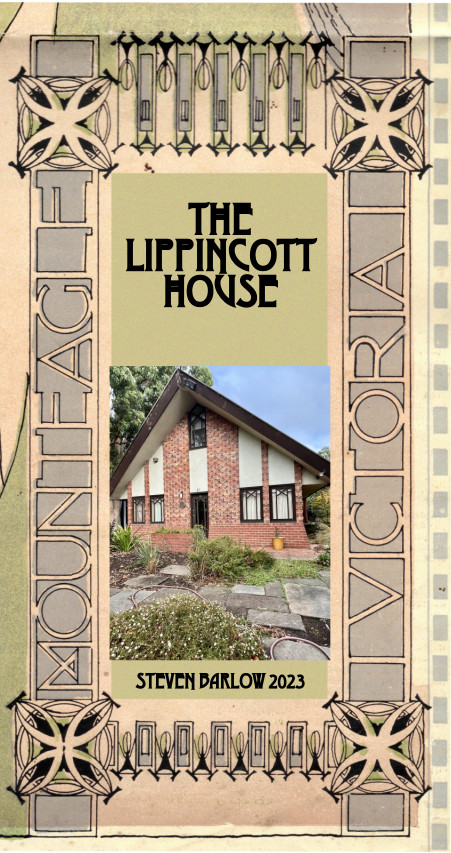
The Lippincott House
When Walter Burley Griffin returned to Australia on the 12th May 1914, he brought with him a party of five Americans: his wife the architect Marion Mahony, his sister Genevieve, her new husband Roy Lippincott (also an architect) and a draftsman, George Elgh, and his wife Nellie.
$5.00
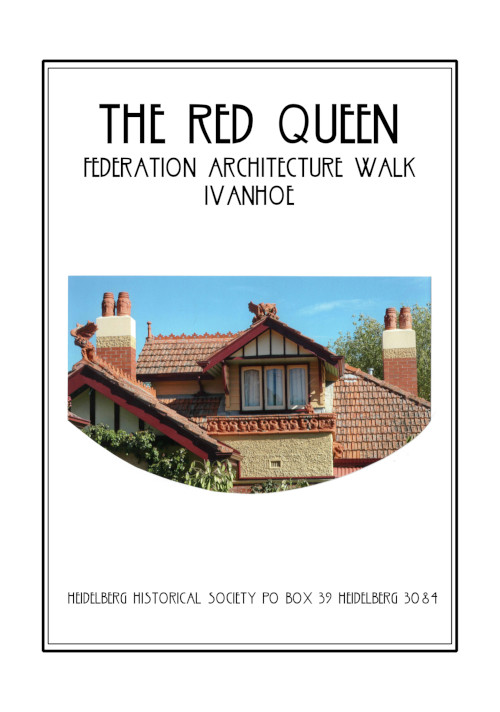
The Red Queen
Melbourne was a changed city after the sobering crisis of the 1890s depression. This catastrophe cut short the “Land Boom” of the ’eighties and stifled practically all development until the early 1900s. It also served to sharpen the stylistic shift in prevailing taste from Italian Renaissance architecture– and its particularly hysterical elaboration known here as the “Boom Style”– to a new style that was influenced by the precepts of the “Aesthetic Movement”. With this went a heightened desire for everything artistically “picturesque” and reassuringly “domestic” rather than vaunting classical grandeur.
$10.00
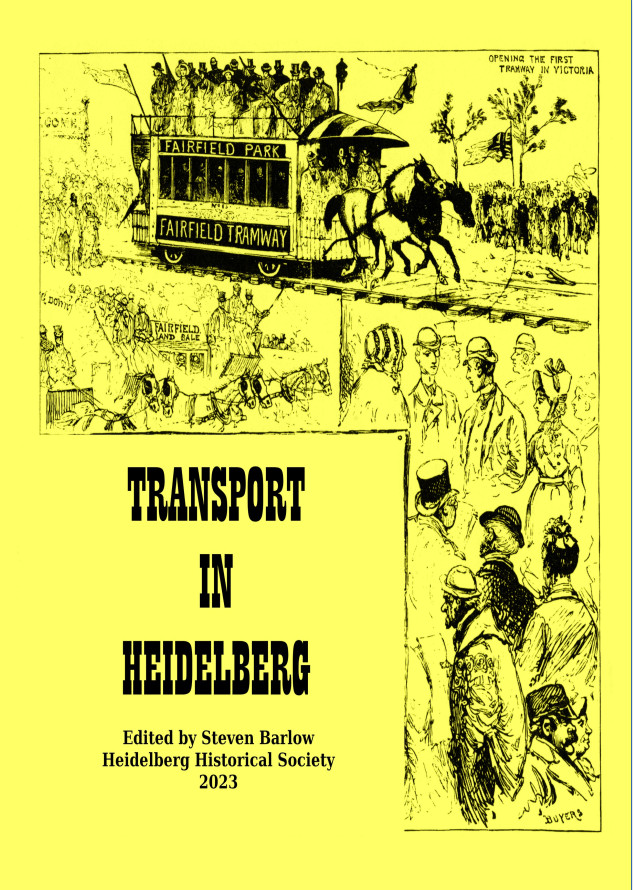
Transport in Heidelberg
In his excellent book, The Railway Age (1965) Michael Robbins concisely sketches the profound changes on human society stemming from the rapid spread of railways, first in Britain and then across the globe. The pioneers of Heidelberg were very much children of the Railway Age, which began in 1830 and then spread to the colonies with the Gold Rush just two decades later.
$15.00
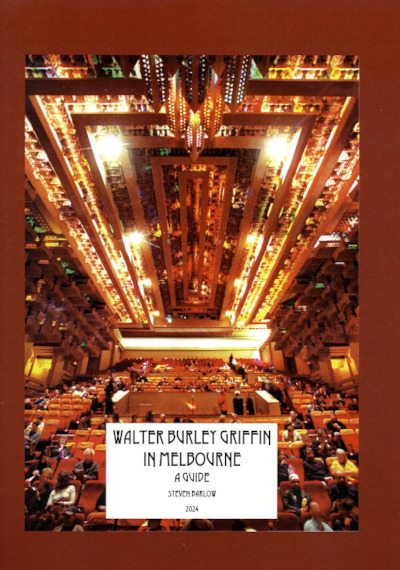
Walter Burley Griffin in Melbourne
Walter Burley Griffin spent half of his Australian years living in Melbourne and half of his extant Australian buildings and landscape designs are to be found here.
$10.00
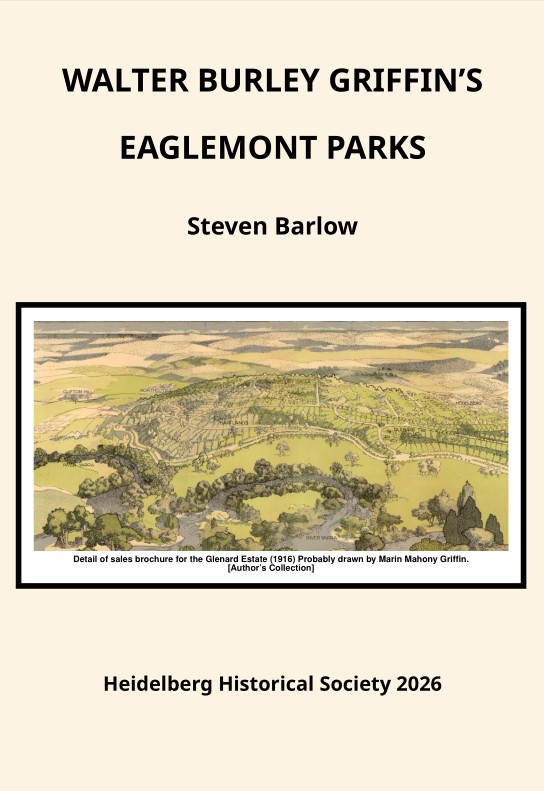
Walter Burley Griffin's Eaglemont Parks
The Griffins’ unsuccessful struggle with the authorities to have the powerlines placed underground in Castlecrag was mirrored in Jenning’s only partially successful attempts to do the same on his Beaumont Estate in Ivanhoe (1938) and the Beauview Estate in East Ivanhoe (1939), where the Council was also the electricity retailer. Jennings managed to get some streetlighting undergrounded (which was later reversed) and the power poles were placed to the rear of properties where possible. Electric wires still disfigure the Griffin estates.
$10.00